

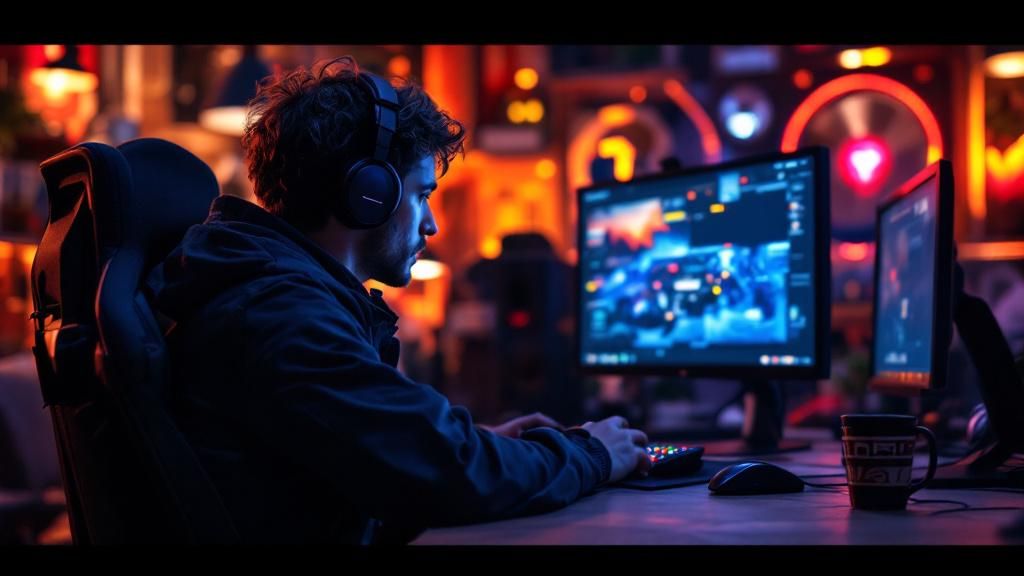
The PC gaming industry has undergone a notable transformation in recent times, with small studios emerging as trailblazers in innovative narratives. Whilst large publishers often rely on conventional approaches, indie creators are reimagining storytelling through innovative gameplay mechanics, unconventional perspectives, and emotionally resonant narratives. From narrative-driven adventures to genre-bending experiences, these creative minds are proving that compelling stories need not require blockbuster budgets. This article explores how indie developers are reshaping the gaming landscape and enthralling audiences worldwide with their bold, innovative approaches to interactive narrative.
The Emergence of Autonomous Creative Works
The advent of indie creators has substantially reshaped the creative framework of PC games. Freed from corporate constraints and commercial pressures, small development teams have grasped the ability to explore story craftsmanship in fashions once thought impossible. These developers prioritise artistic vision before financial considerations, crafting deeply personal tales that resonate with consumers pursuing honest storytelling. Their readiness to question established gaming conventions has resulted in remarkable creations that demonstrate engaging stories goes beyond monetary restrictions.
What defines indie narratives is their willingness to embrace vulnerability and complexity. Rather than mainstream market-driven content, independent developers integrate intricate character studies, philosophical explorations, and culturally specific stories into their games. This approach has built a loyal following hungry for authentic engagement. Platforms like Steam have opened up access, enabling small teams to reach global audiences directly without intermediaries. Consequently, indie developers now wield unprecedented influence in defining current gaming standards and audience expectations.
Breaking Conventional Game Development Standards
Indie developers have substantially challenged the traditional rulebook of game design, turning away from standardised formulas that dominate mainstream production. Rather than following rigid genre classifications, these creative visionaries craft interactive narratives that break down barriers between creative platforms. Their willingness to experiment with unconventional narrative structures, open-ended gameplay mechanics, and abstract visual styles has freed PC gaming from formulaic patterns. By placing creative intent first over profit maximisation, indie creators demonstrate that original ideas prosper when developers possess artistic freedom and licence to pursue bold ventures.
The impact of this fundamental change reaches well past dedicated communities, determining how audiences interpret interactive narratives. Titles with sparse dialogue, world-based narrative, and player control over story direction have received critical praise and commercial success. Indie developers have shown that smaller teams, modest resources, and innovative approaches can deliver emotionally resonant interactive experiences. This democratisation of game development has inspired countless creators to push back against conventions, ultimately enriching the overall PC gaming environment with diverse, thought-provoking narratives that resonate with modern players pursuing genuine innovation.
Impact on the Larger Gaming Sector
The influence of indie developers extends far beyond their own commercial success, substantially transforming how major studios tackle game development. Acknowledging the critical acclaim and player engagement produced by innovative indie titles, established publishers have started funding in smaller, increasingly unconventional projects. This shift represents a paradigm change in the industry, where artistic experimentation is growing in importance alongside blockbuster production. Consequently, the traditional separation of indie and mainstream gaming has become significantly less clear, creating a more diverse gaming ecosystem.
Indie storytelling innovations have directly inspired mainstream game design philosophies, with major studios now emphasising story complexity and emotional authenticity. Games like those created by independent creators have demonstrated that players seek out substantive, character-centred gameplay over graphical spectacle alone. This recognition has prompted larger publishers to allocate greater resources towards script development, voice talent, and narrative creation. The resulting industry-wide emphasis on narrative quality benefits all developers and raises player expectations across all gaming platforms and budgets.
Looking ahead, the joint partnership between indie developers and established studios promises continued evolution in gaming narratives. Emerging talent from the indie scene often progress to larger organisations, bringing fresh perspectives and novel approaches. This cross-pollination ensures that forward-thinking storytelling techniques become sector benchmarks rather than marginal segments. Ultimately, indie developers have catalysed a cultural shift within gaming, positioning creative storytelling as a pillar of contemporary gaming experiences and cementing their place as revolutionary creative voices.
